This is Innovation Download, a monthly update on what's moving in Australia's startup and innovation ecosystem.
This issue is about AI and the workforce. Who is losing jobs, where the investment is going, and what happens when the technology promising efficiency is quietly making work harder. We dig into the wave of layoffs hitting Meta, Microsoft, Amazon, and Oracle, and ask whether this is a market correction, "AI taking all the jobs," or something else. We look at why Australia's Employment Minister is less worried about job losses and more worried about burnout, and at Microsoft's $25 billion bet that skilling three million Australians is how this country gets ahead of the curve. Plus Balaji Srinivasan on why the SaaS apocalypse is overhyped, and why AI inside the right team is genuinely transformative.
This Month's Reads
20,000 job cuts at Meta, Microsoft raise concern that AI-driven labor crisis is here (CNBC)
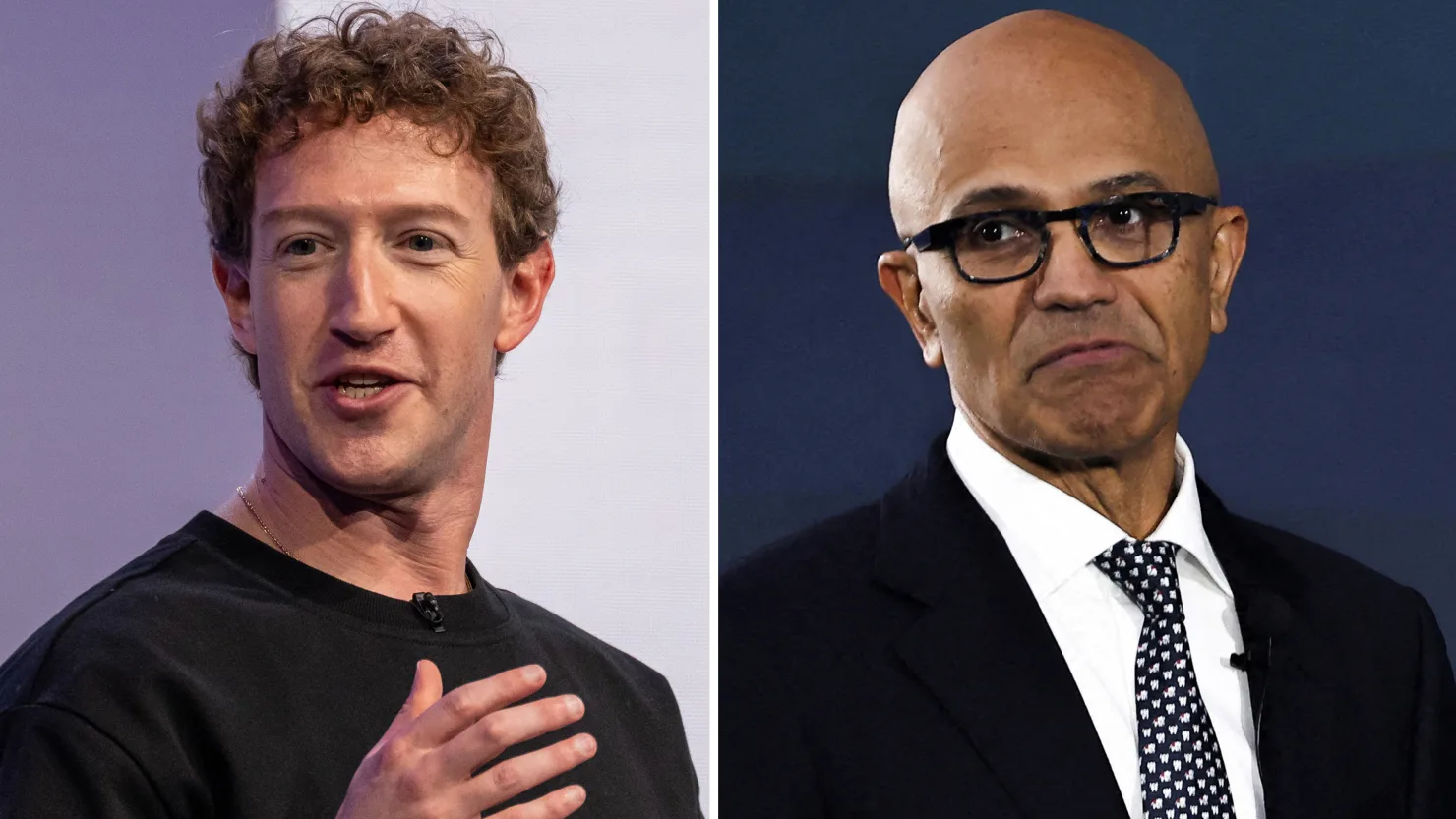
Rundown: Major tech companies are cutting jobs at an alarming rate while pouring record sums into AI, and the tension is hard to ignore. Meta, Microsoft, Amazon, Oracle, and Nike have announced tens of thousands of layoffs in 2026, pushing the year's tech job losses past 92,000 and the total since 2020 to nearly 900,000. Yet Alphabet, Microsoft, Meta, and Amazon are projected to spend roughly $700 billion on AI infrastructure this year alone, with Oracle cutting up to 30,000 roles partly to free up cash for its own AI buildout. In the startup world, lean AI-native teams are reaching $50 million in revenue with fewer than 50 staff, and investors are increasingly backing small headcounts over traditional team sizes. The result is a workforce caught in a difficult spot. The same technology driving record investment is the one eliminating their jobs.
The Takeaway: "AI is replacing jobs" is the easy narrative, and it isn't wrong. But it isn't the whole story either. The more interesting read is that AI is refactoring what work actually looks like, and that's a different conversation. Every previous platform shift, the internet being the most recent, ended the same way: jobs disappeared, new ones emerged, and the shape of work changed. New categories of work will emerge here too. What's different this time is the breadth. AI doesn't just create new jobs at the edges, it changes how everyone in the middle does their existing one. The most useful frame for what's coming isn't replacement, it's that everyone becomes a manager. A manager of agents. The skill that compounds over the next decade isn't writing the email or the code or the brief, it's knowing what to delegate, how to brief it, and how to verify the output. Some of the 92,000 will land in jobs that didn't exist two years ago. Most of the people who keep theirs will find the job has quietly changed underneath them. The real question for leaders isn't whether AI replaces workers. It's whether their organisation is set up to help everyone become a good manager of the work AI now does.
AI burnout and phony productivity gains among minister’s top concerns (AFR)
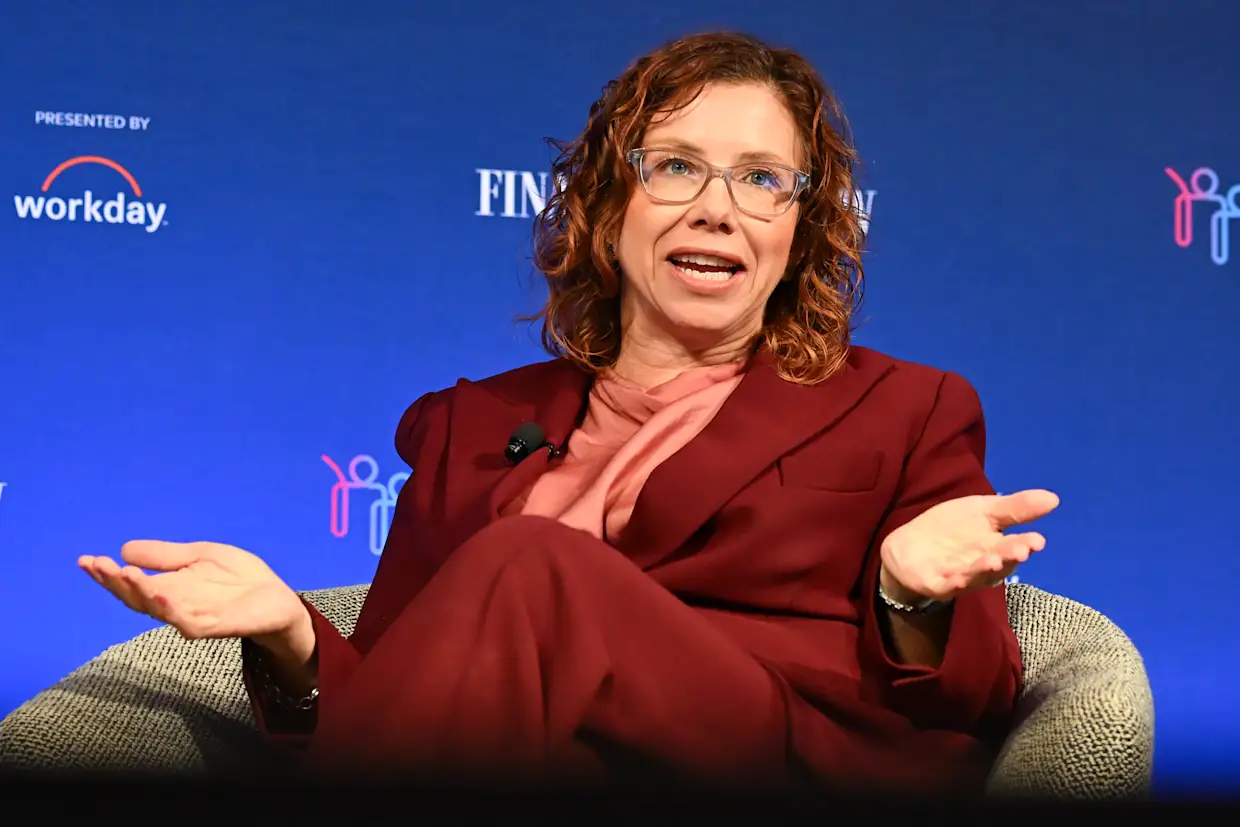
The Rundown: Australia's Employment Minister Amanda Rishworth is sounding the alarm on AI in the workplace, not over job losses, but over work intensification. At the Financial Review Workforce Summit, she warned that AI's constant, real-time performance tracking is raising expectations faster than it's reducing workload, citing a Harvard Business Review study showing generative AI tools intensified work rather than lightened it. Safe Work Australia is reviewing AI through a health and safety lens as part of its national Best Practice Review of the model WHS laws. NSW has already passed the Digital Work Systems Act, the first Australian law to make excessive AI-driven workloads, surveillance, and performance metrics a workplace safety issue. Recent Jobs and Skills Australia data also shows a slight softening in growth for the occupations most exposed to AI, such as filing clerks and keyboard operators. On regulation, Rishworth is keeping the door open without committing to a bottom line, but her position on the productivity question is firm: where AI delivers gains, workers should share in them, through pay rises and more fulfilling work.
The Takeaway: Rishworth's view is one of the more interesting takes on where we are with AI right now, whether you ultimately agree with it or not. The framing is that AI is intensifying work rather than reducing it, and the gains, such as they are, are being absorbed into expectations rather than shared with the people producing them. That might be exactly right. But it's also worth holding open the possibility that what looks like intensification is the early shape of work changing, and the two are genuinely hard to tell apart from the inside. Every previous platform shift produced the same tension at the start. Email made everyone feel busier, not freer. The same was said of the smartphone, of online collaboration tools and so on. Some of that effect resolved into actual productivity gains. Some of it just became the new floor.
Yes, the productivity question is a real one. It might also just be the question of work changing, which is the same conversation in a different costume. This is the messy middle of AI, and a lot of the regulatory and corporate posture being set right now is being set before the question is settled. The leaders most likely to navigate it well are the ones treating their own organisation as a place to gather evidence rather than a place to defend a thesis, because AI will look like both stories at once for a while, and being honest about which one you're actually in is harder than it sounds.
Tech giant Microsoft unveiles $25 billion plan to reshape the Australian workplace (9News)
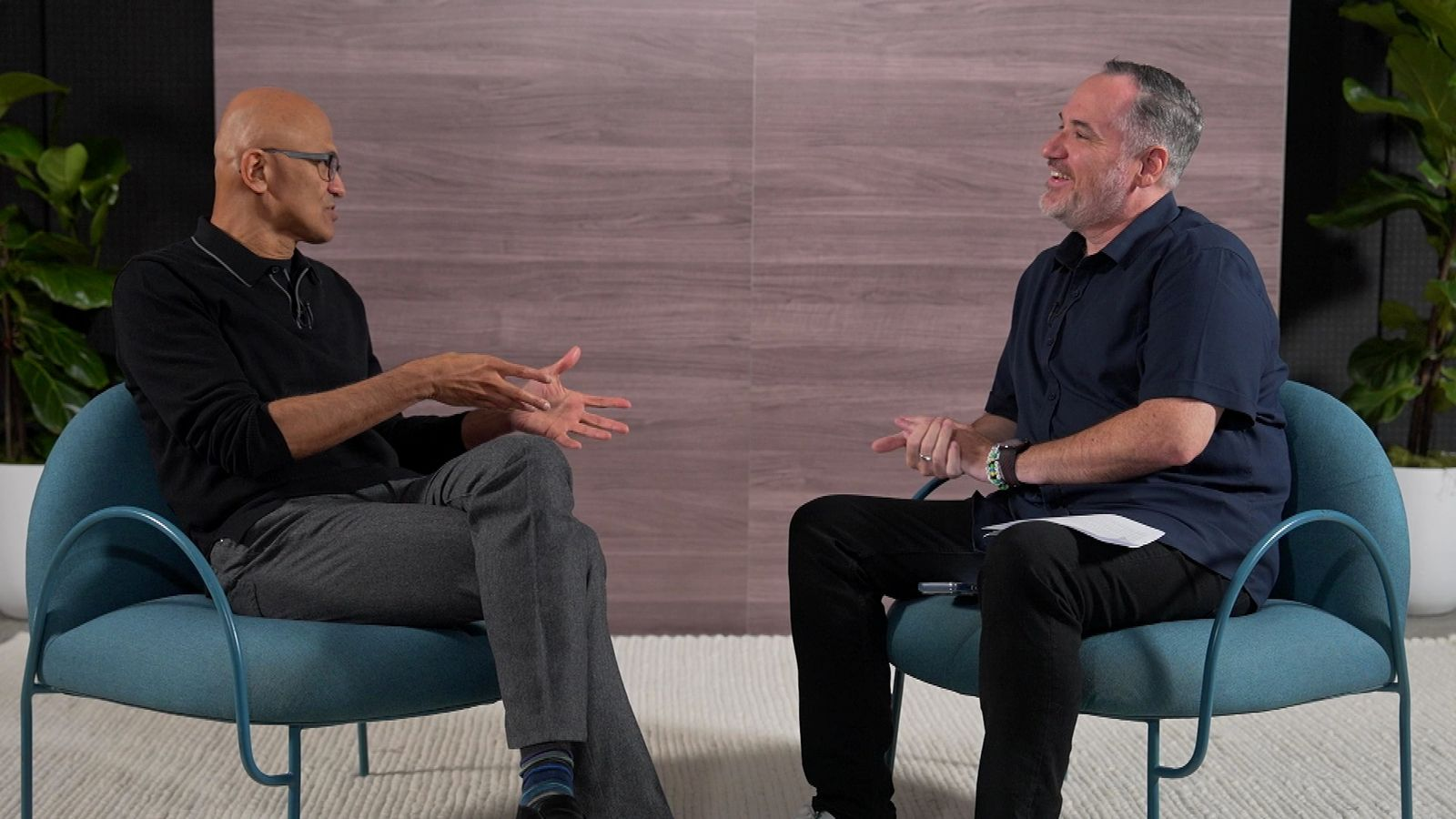
The Rundown: Microsoft CEO Satya Nadella announced a A$25 billion investment in Australia through 2029, covering AI infrastructure, cybersecurity, and workforce skilling. Announced in Sydney alongside Prime Minister Anthony Albanese, it is Microsoft's largest commitment in Australia to date and will expand its local cloud and AI footprint by more than 140 per cent. On jobs, Nadella was reassuring, framing AI as an amplifier of Australia's existing strengths rather than a force replacing the people doing the work. On skills, Microsoft tripled its previous target to three million Australians by 2028 and launched the Microsoft Elevate for Educators program. It also signed on with the newly established Australian AI Safety Institute, expanded the Microsoft–ASD Cyber Shield to more federal agencies, and convened a first-of-its-kind summit with the ACTU on AI in the workforce. Nadella's closing message: AI will amplify what Australia does well, not disrupt it.
The Takeaway: A $25 billion is a serious commitment by Australian standards, and worth recognising as such. For global context, the four largest US hyperscalers are projected to spend around US$700 billion on AI infrastructure this year alone, so what looks transformative locally is meaningful but modest at that scale. The more useful read is what the package unlocks for the Australian startup ecosystem. Three million people gaining workforce-ready AI skills by 2028 is roughly twenty per cent of the workforce, which lifts the floor on AI literacy across every hiring funnel. Pair that with the Educator program reaching teachers and students, the AI Safety Institute collaboration, the expanded Cyber Shield, and the ACTU dialogue, and the investment starts to look less like a single deal and more like a foundation. The rails get laid down once. If they are laid down well, the hope is the one Nadella named: AI amplifies what Australia already does best.
Podcast Episodes Worth Your Time
Why Balaji Srinivasan Thinks the SaaS Apocalypse Is Overhyped (The a16z Show)
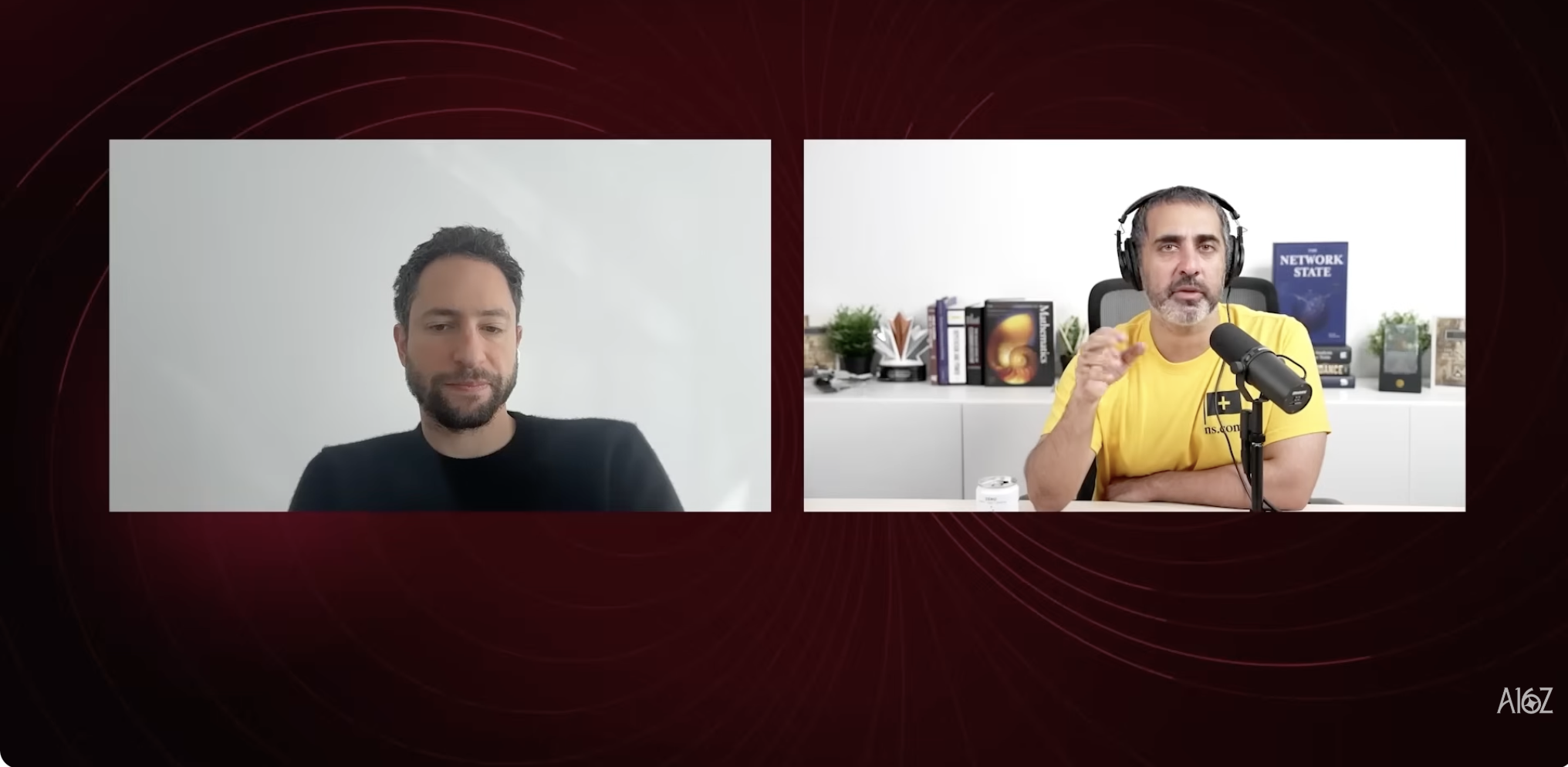
On The a16z Show, host Erik Torenberg sits down with Balaji Srinivasan, angel investor, former Coinbase CTO and former a16z partner. Everyone right now is debating whether AI is triggering a SaaSpocalypse. Balaji thinks this isn't actually the most interesting question. The more interesting one is what happens when AI lowers the cost of creating things and raises the cost of verifying them. That asymmetry, not the SaaS panic, is what reshapes the AI economy (or so his theory goes).
The framework worth taking from the conversation is about where humans still do the work AI cannot. AI doesn't sense the world. It waits for a prompt, executes, and stops. It doesn't read markets, culture, or the room. Humans do. In a world where everyone has access to the same tools, the edge isn't the tool, it's the quality of thinking you bring to it. As Balaji puts it, humans are the sensor, AI is the actuator. Taste is the sense.
He closes on something that lands for anyone building a team right now. Inside a trusted circle, where context, goals and standards are shared, AI is genuinely transformative. Between tribes, it generates noise. Spam, low-quality outputs, content that costs more to verify than it is worth. His rule is short. No public, undisclosed AI. Be transparent about when AI is in the mix, because the moment people can't trust what they are receiving, the whole thing breaks down.